
01
High-frequency exposure
Educators return to the lounge most working days. Repeated, low-friction encounters with a product earn trial in a way one-off marketing rarely does.
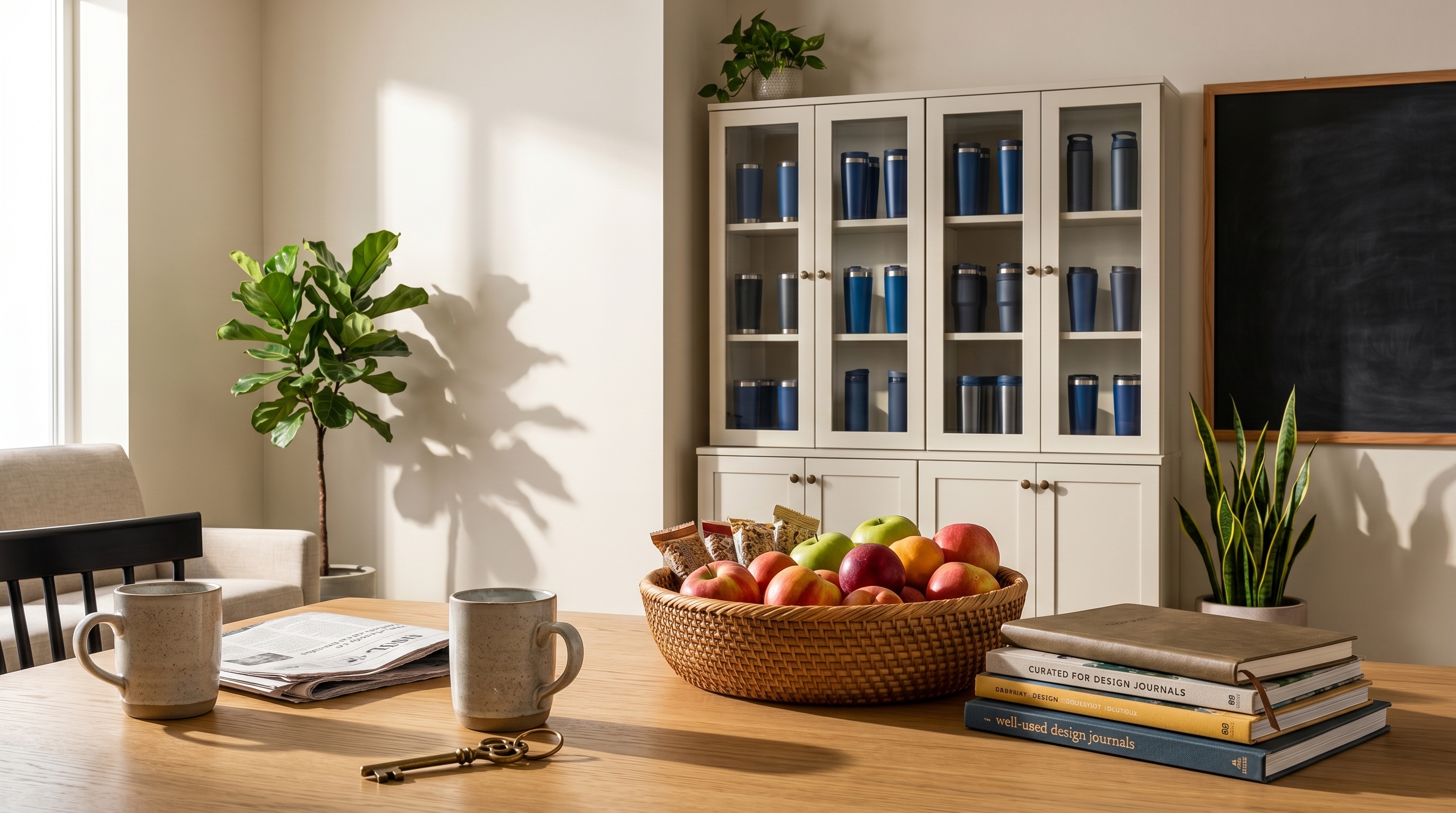
Schools · educator channels · daily-use trial
TeachersLounges.com opens a high-frequency, community-based environment inside schools to startup and emerging brands — sampling, wellness programs, and daily-use products built for the people who run the building.
Why this room
A teachers' lounge is a designated space within a school where educators gather for breaks, meals, collaboration, and preparation. That definition is also a channel brief.
Educators return to the lounge most working days. Repeated, low-friction encounters with a product earn trial in a way one-off marketing rarely does.
The lounge is a closed peer environment. A product that appears here is implicitly endorsed by the room — not pushed by an ad.
Coffee, snacks, wellness, classroom supplies, personal-care basics — the lounge favors products educators reach for during the working day.
A defined audience, in one place, on a schedule. For startup and emerging brands, that combination is rare and worth designing around.
A teachers' lounge isn't a media buy or a pop-up — it's a room people return to every day. For an emerging brand, that repetition is the channel.
TeachersLounges.com · channel brief
By the numbers
Common questions
How brands show up
Each path matches a different brand goal — first trial, sustained presence, or a wellness or educator-support program built around the school calendar.
Place product in the lounge for repeated, no-friction trial across the school week. The simplest entry point for a new brand.
Educator wellness initiatives — better-for-you snacks, hydration, recovery, stress relief — fit the lounge's daily-rhythm context.
Coffee, tea, classroom-friendly snacks, hand care, and other daily essentials sit naturally in the lounge environment.
Lean on the room itself. Recommendations between colleagues do the work that paid media can't in this audience.
Programs that align to the school calendar — back-to-school, midterm push, end-of-year — match how educators experience the year.
Channel coverage
TeachersLounges.com focuses on the lounge layer specifically — the room where daily exposure and peer endorsement compound for a brand.
Policy and procurement context — sets what categories and programs can plausibly enter the building.
The site-level relationship — administrators and staff leads who host or sponsor a program in a given building.
The specific environment this site addresses — a centralized, daily, peer setting inside the school.
The end audience — the person who tries the product, recommends it to a colleague, and brings it home.
Practical process
Be specific about who in the building benefits — and why a lounge environment surfaces that benefit better than a retail aisle.
Start with one district or one school cluster. Constrain the variables so you can read the response.
Sampling, wellness program, or daily-use placement — match the format to the product and to the school's rhythm.
Educators are direct. Capture what they say, what they keep using, and what disappears from the lounge first.
Translate a working pilot into a program a second district can adopt — same format, same calendar, same peer mechanics.
Network channels
Independent cheese shops as a curated trial environment — useful when a lounge program also wants a specialty-retail story.
VisitIndependent coffee shops — a parallel daily-ritual channel where the lounge product can earn presence outside the school.
VisitCommissary and exchange retail — a separate community-based channel that often complements educator-program rollouts.
VisitThe network's master channel directory for emerging brands evaluating where to place their next pilot.
VisitBring a brand to the lounge
Send your product, your educator-fit hypothesis, and the districts you'd like to pilot. The channel team returns a placement format, calendar, and pilot-read framework.
Email the channel team